How to File a Complaint About Improper Mold Remediation in Sevierville
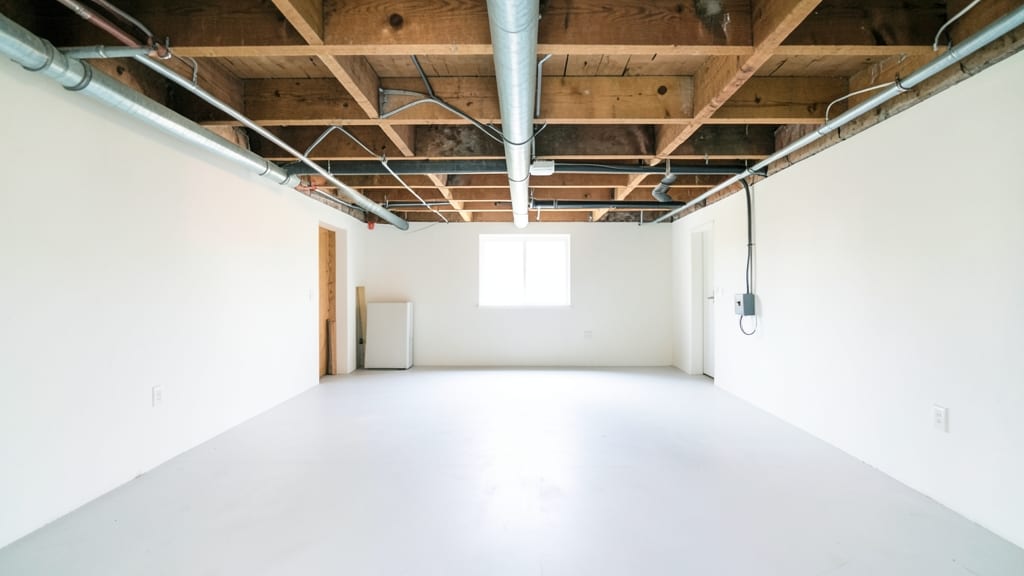
Improper mold remediation can leave behind hidden spores, worsen indoor air quality, or even spread contamination to previously clean areas. In Sevierville, where humidity and seasonal storms create ideal conditions for mold growth, knowing how to address subpar work is critical. Filing a complaint ensures accountability and protects your health and property.
Signs of Improper Mold Remediation Work
Visible mold returning within weeks or months is a red flag. If the same areas show regrowth, the source of moisture may not have been addressed, or containment protocols were likely inadequate.
Strong musty odors after remediation often indicate residual spores or hidden mold behind walls, under flooring, or in HVAC systems. Proper remediation should eliminate, not mask, these smells.
Lack of documentation is another warning sign. Reputable crews provide detailed reports, including moisture readings, air quality tests, and photos of affected areas before and after treatment.
Improper remediation can release higher concentrations of spores into the air, increasing respiratory risks for occupants. Always verify clearance testing before reoccupying the space.
Document the Issues Before Filing
Take date-stamped photos and videos of recurring mold, water stains, or damaged materials. Focus on areas that were supposedly treated, as well as any new problem spots.
Collect all contracts, invoices, and written communications with the remediation provider. Note any verbal promises made during the process, including timelines and methods used.
Obtain a post-remediation inspection from an independent mold testing service. Their report can confirm whether the work met industry standards, such as those from the EPA or IICRC.
Who to Contact in Tennessee for Mold Remediation Complaints
The Tennessee Department of Environment and Conservation (TDEC) oversees environmental health concerns, including mold. While Tennessee does not license mold remediation companies, TDEC can investigate complaints about improper practices.
For health-related concerns, the Tennessee Department of Health (TDH) may provide guidance, especially if occupants experience adverse health effects linked to the remediation.
Local building code enforcement offices in Sevier County can address structural or safety violations resulting from poor remediation, such as improperly sealed containment areas or damaged drywall.
| Agency | Role | Contact Focus |
|---|---|---|
| Tennessee Department of Environment and Conservation (TDEC) | Environmental oversight | Improper remediation practices, environmental hazards |
| Tennessee Department of Health (TDH) | Public health | Health impacts from mold exposure |
| Sevier County Building Codes | Structural compliance | Building damage, unsafe conditions |
Steps to File a Formal Complaint
Start with a written demand to the remediation company. Outline the issues, reference your documentation, and request corrective action. Many providers will address complaints to avoid escalation.
If the company is unresponsive or unwilling to resolve the issue, file a complaint with TDEC. Their online portal allows you to submit details, upload evidence, and track the status of your case.
For health-related grievances, TDH may direct you to additional resources or collaborate with TDEC. Keep copies of all submissions for your records.
What to Expect During an Investigation
TDEC or another agency may conduct an on-site inspection to assess the remediation work. They will look for compliance with industry standards, such as proper containment, HEPA filtration, and moisture control.
The investigation may include interviews with the property owner, the remediation company, and any third-party inspectors. Agencies often request additional documentation, such as air quality test results or moisture maps.
If violations are confirmed, the agency can issue citations, fines, or orders for corrective action. In severe cases, they may refer the matter to the Tennessee Attorney General’s Office for consumer protection violations.
Tennessee does not require mold remediation companies to be licensed, but they must follow state and federal guidelines. This makes documentation and third-party testing even more critical.
Legal Recourse for Property Damage or Health Issues
If improper remediation causes property damage or health problems, you may have grounds for a civil lawsuit. Consult a Tennessee attorney specializing in environmental or consumer protection law.
Small claims court is an option for financial damages under a certain threshold. Keep all receipts, medical records, and remediation reports to support your claim.
For rental properties, tenants can report landlords to local housing authorities if mold issues persist due to negligence. Sevierville and nearby areas like Pigeon Forge and Gatlinburg have active tenant advocacy resources.
Preventing Future Mold Remediation Problems
Always hire a contractor who provides a detailed scope of work, including moisture source identification, containment plans, and post-remediation verification. Avoid companies that skip these steps.
Request references from past clients in Sevierville or neighboring towns like Kodak or Seymour. Ask about their experiences with follow-up inspections and long-term results.
Consider a move-in or pre-sale mold assessment for new properties, especially in flood-prone or high-humidity areas. This can identify potential issues before they escalate.
Red Flags in Mold Remediation Contracts
- No mention of moisture source identification or repair
- Lack of containment or HEPA filtration in the scope
- No post-remediation air quality testing
- Vague language about warranties or guarantees
- Refusal to provide written documentation
How to Gather Evidence for Your Complaint
Strong evidence is critical to support your claim of improper remediation.
- 1Photograph the Problem Areas
Use a high-resolution camera to document visible mold, water damage, or poor workmanship. Include wide shots and close-ups with a reference object for scale.
- 2Collect Written Records
Gather contracts, invoices, emails, and any written promises from the remediation company. Note dates, names, and specific conversations.
- 3Obtain Third-Party Testing
Hire an independent mold inspector to conduct air and surface testing. Their report can confirm whether remediation was incomplete or ineffective.
- 4Document Health Symptoms
If occupants experienced health issues, keep medical records linking symptoms to mold exposure. Note the timeline relative to the remediation work.
- 5Secure Witness Statements
Ask neighbors, property managers, or other contractors who observed the work to provide written statements about what they saw.
Frequently Asked Questions
Can I file a complaint anonymously in Sevierville?
TDEC and other agencies typically allow anonymous complaints, but providing your contact information can help them follow up for additional details. Anonymous reports may limit their ability to investigate thoroughly.
How long does a mold remediation complaint investigation take in Tennessee?
Investigation timelines vary based on the complexity of the case and agency workload. Simple complaints may be resolved in a few weeks, while more involved cases can take several months.
What if the remediation company is based outside Sevierville?
TDEC has jurisdiction over companies operating in Tennessee, regardless of their headquarters. File your complaint with TDEC, and they will coordinate with the company’s home state if necessary.
Are there local Sevierville resources for mold remediation disputes?
Sevier County’s Building Codes Department can address structural or safety concerns. For consumer protection issues, the Tennessee Attorney General’s Office has a division dedicated to handling complaints.
Can I sue for mold remediation gone wrong in Tennessee?
Yes, if you can prove negligence, breach of contract, or harm, you may have legal recourse. Consult an attorney to discuss your options, especially if the issue involves significant property damage or health impacts.
What should I do if the mold returns after remediation in my Pigeon Forge rental property?
Notify your landlord in writing and request corrective action. If they fail to respond, contact the Sevier County Health Department or file a complaint with TDEC. Tenants have rights to a habitable living space.